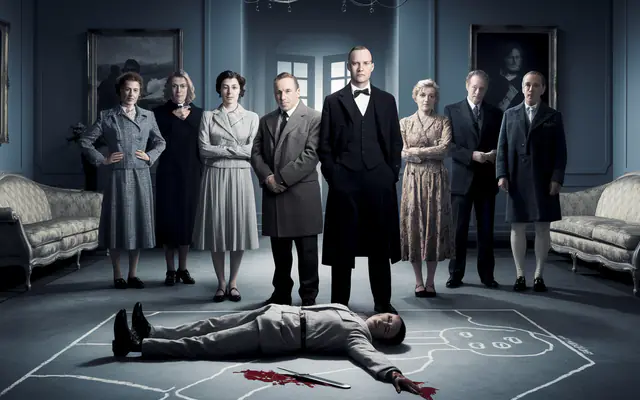
Murder Mystery
Six-week practical unit using simplified Stanislavski and restoration comedy to build characterisation, improvisation and plot through workshops, devised scenes and comic tension.
characterisationimprovisationensemble worknarration

US landing
Ready-to-teach drama unit plans for Grades 6, 7 and 8
Middle school drama lesson plans need to do more than fill time — they need to build confidence, creativity, and classroom routines that support strong performance work. At this stage, students are developing their voices, learning to collaborate, and beginning to make more deliberate artistic choices. Well-structured drama lessons help them take risks, contribute ideas, and grow as performers.
This page brings together ready-to-teach middle school drama lesson plans, unit ideas, and printable resources for Grades 6, 7, and 8. Whether you are teaching introductory drama, improvisation, character work, ensemble skills, or script-based performance, these lessons are designed to be practical, engaging, and easy to deliver in real classrooms.

Six-week practical unit using simplified Stanislavski and restoration comedy to build characterisation, improvisation and plot through workshops, devised scenes and comic tension.
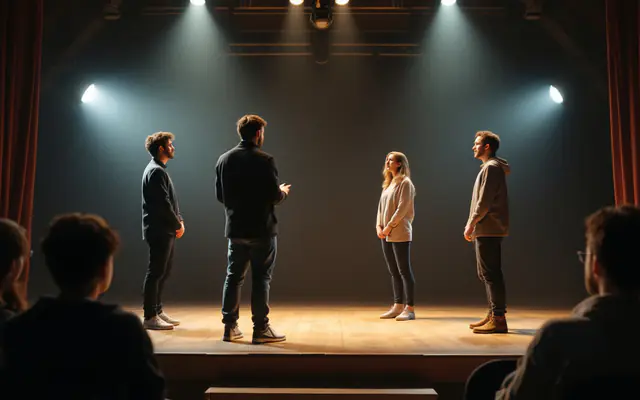
Six-week KS3 drama unit introducing mime, tableaux, soundscapes and improvisation. Practical lessons include baseline assessment, peer/self-evaluation and written targets.

A practical drama unit exploring Titanic survivors. Use a real testimony, postcards and audio to develop character, empathy and storytelling through visualisation, thought-aloud and flashback.
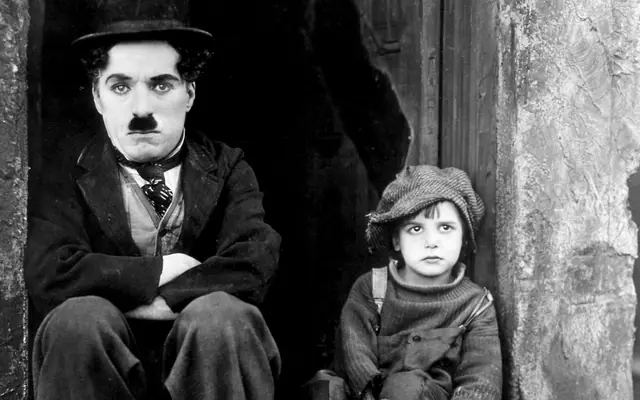
A 6-week practical scheme introducing mime, physical comedy and silent-film techniques. Use music clips and a classic film extract to devise and perform filmed mini-movies.
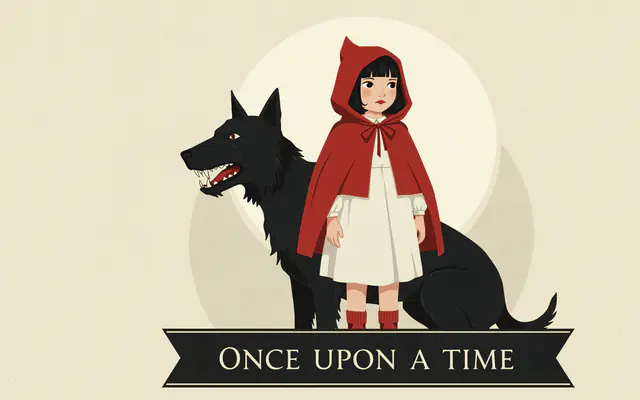
Six-week drama unit exploring fairy tale conventions. Students study Little Red Riding Hood, The Fox and the Wolf and Pauline, using devising techniques to create assessed group performances.

Six-week drama unit exploring J.M. Barrie's Peter Pan through practical workshops. Lessons build characterisation, hot seating, frozen pictures, stage combat, and a storytelling assessment.

Six-lesson KS3 mime scheme: develop facial expression, gesture, body language, space and eye contact. Includes situation cards, PowerPoint slide, music and a group assessment to music.

Six-lesson KS3 drama scheme using extracts and practical tasks to explore Romeo and Juliet. Focus on voice, frozen pictures, split scenes, devising and group performance assessment.
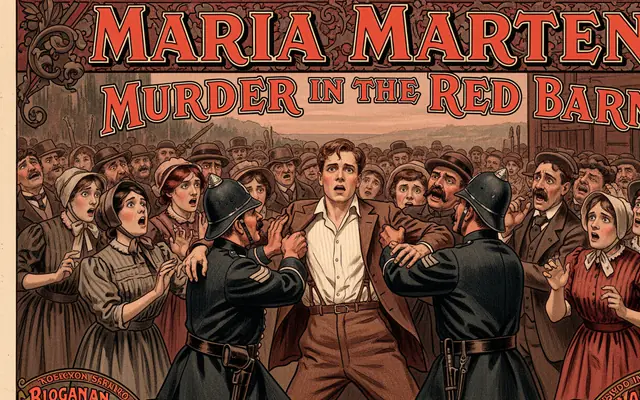
Six-week KS3 unit on Victorian melodrama. Practical workshops use mime, split scenes, monologues and a Maria Marten film clip; includes music and filmed assessment.
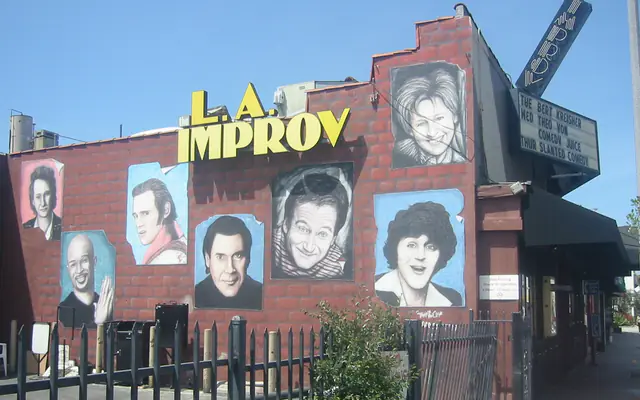
Six-week improvisation unit with theatre games, mime, duologues and basic Forum Theatre. Develop rapid response, listening and ensemble skills with a final assessed improvisation.
Six-week KS3 unit exploring Commedia dell'Arte: stock characters, mask work, lazzi, mime and devised group performances. Includes an illustrated booklet, neutral masks and peer/self-evaluation tasks.

Six-week practical drama unit exploring Norse myths and Viking history. Use character work and interactive activities to develop ensemble skills and imaginative responses.

Six-week drama unit exploring television soap opera: stock characters, pauses, interruptions, monologues and a sensitive domestic violence scene, finishing with a filmed mini-soap assessment.
Six-week drama unit exploring communication, miscommunication and accessibility using frozen pictures, mime, Teacher in Role, physical theatre, mirroring, gesture, music and props.
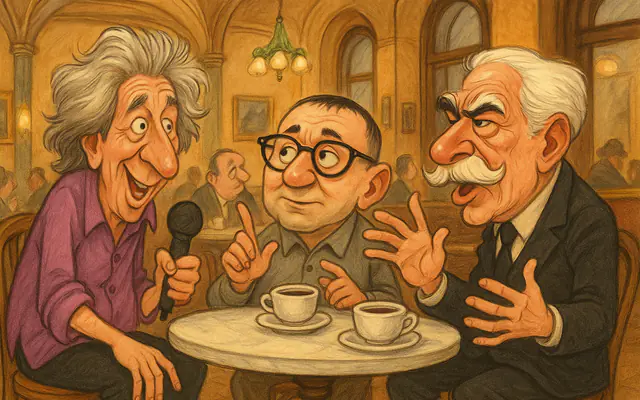
Six-week practical unit introducing Stanislavski, Boal and Brecht with classroom activities, devised scenes and performance work suitable for Year 9 students and above.

Six practical KS3 lessons developing breathing, articulation, punctuation and physical action using warm-ups and Shakespeare extracts, ending with a recorded performance and self-evaluation.

Six-lesson unit using hats to build character history with hot-seating, Stanislavski and Forum Theatre, concluding with a whole-class improvisation assessment.
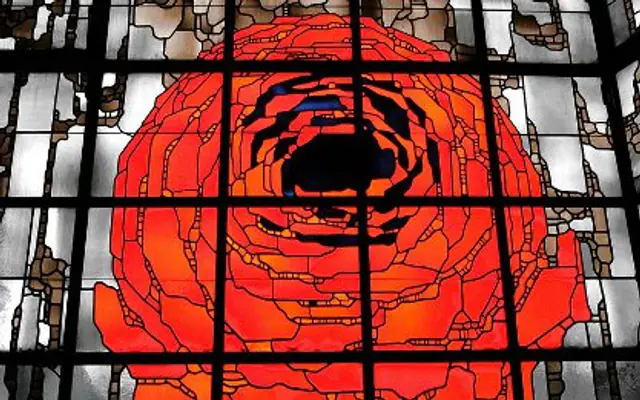
Six-week unit exploring symbolism in performance: image, gesture, objects, colour and masks. Practical workshops build to a devised, recorded group assessment using a musical extract.

Six-lesson practical unit exploring Macbeth through improvisation, physical theatre, tableau, soundscape and scripted extracts. Ready-to-run activities, props and self-assessment included.
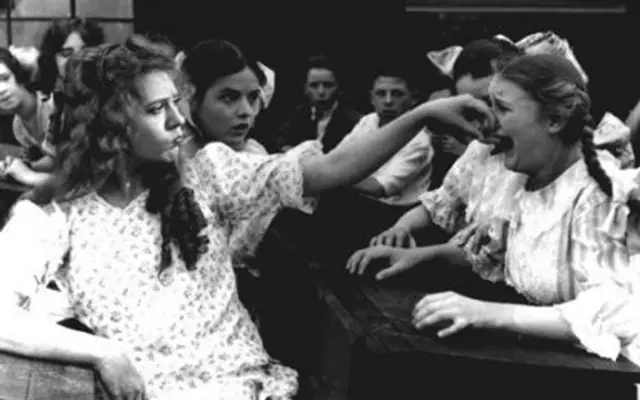
Six-week drama unit using students' experiences to devise scenes exploring victims', bullies', witnesses' and teachers' perspectives; includes devised performance, lyric writing and artwork tasks.

Six-week unit exploring 'Theseus and the Minotaur' through Greek theatre techniques, mask work and devising. Practical lessons conclude with a performance assessment.
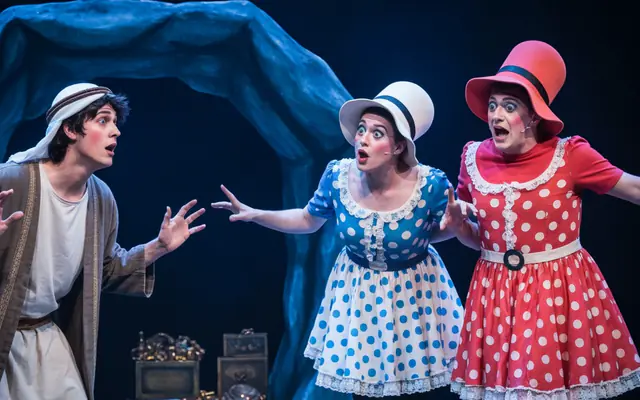
Explore stock characters, expressive skills, and audience interaction in this KS3 drama scheme of work – Pantomime. Inspire creativity with Ali Baba adaptation!

Six-lesson practical unit exploring how actors portray status through body language, voice, levels and space. Includes improvisation, tableaux and a performance assessment.

Six-week KS3 unit exploring Grotowski, Artaud and Dali through physical theatre, gibberish, mime and absurd texts including Alice, Lear and Shakespeare.

Six-week practical drama unit using a 'Vampires' theme to explore new communities, cultural clashes and bullying through workshops, games and student-devised scenarios.

Six-week practical drama unit using frozen pictures, physical theatre, interviews and filmed evaluation. Adaptable city setting; media-focused devising and music-led sequences for engaging ensemble work.
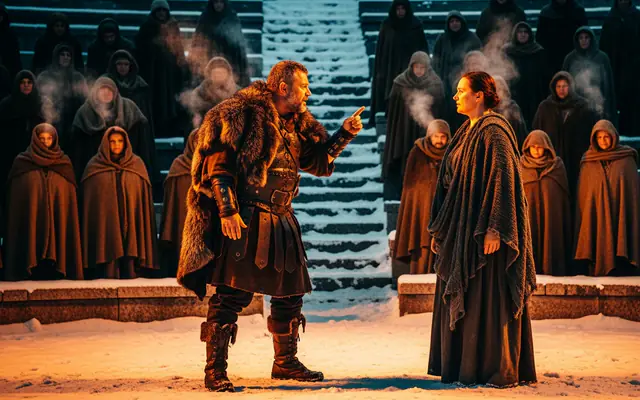
Six practical lessons exploring Greek tragedy through Electra, Medea and Hecuba. Includes monologue work, chorus verse, neutral-mask exercises, mime and group performance with self-assessment.
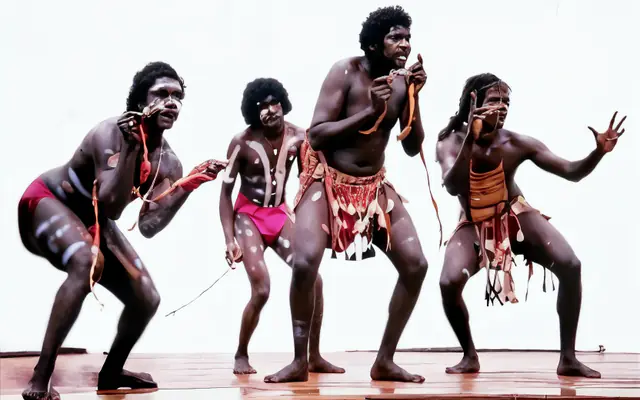
Six-lesson unit exploring Aboriginal Dreamtime through mime, tableau, soundscape and devising. Includes art study, split scenes and a final physical-theatre assessment.
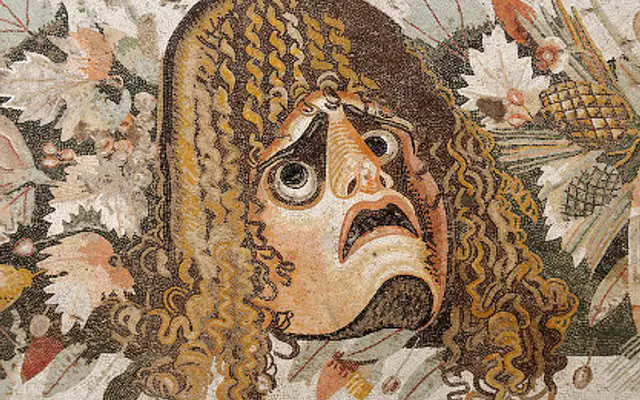
Six-week practical unit exploring Roman comedy, tragedy, mime and pantomime. Workshops on stock characters, chorus and technique; end-of-unit performance recorded for self-evaluation.

Six-week drama unit exploring rainforest issues through improvisation, tableau, mime and a devised news report. Includes rehearsal, filming and a final performance assessment.
A 6-lesson practical unit exploring how music shapes mood and meaning in drama. Students devise scenes using audio, symbolism and physical theatre, culminating in a performance assessment.
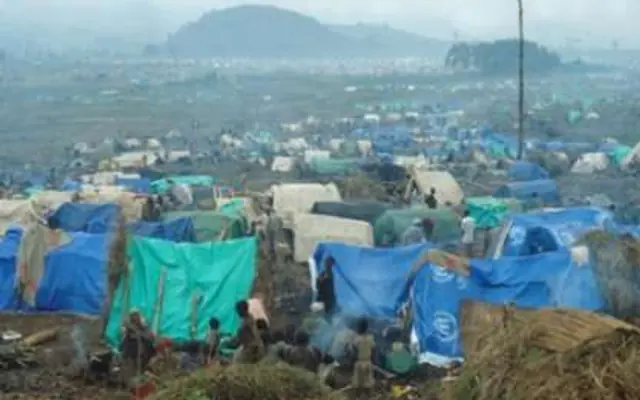
KS3 six-lesson drama unit exploring refugees' experiences using Role on the Wall, Stanislavski and Mantle of the Expert. Includes devising, hotseating and real-life testimony.
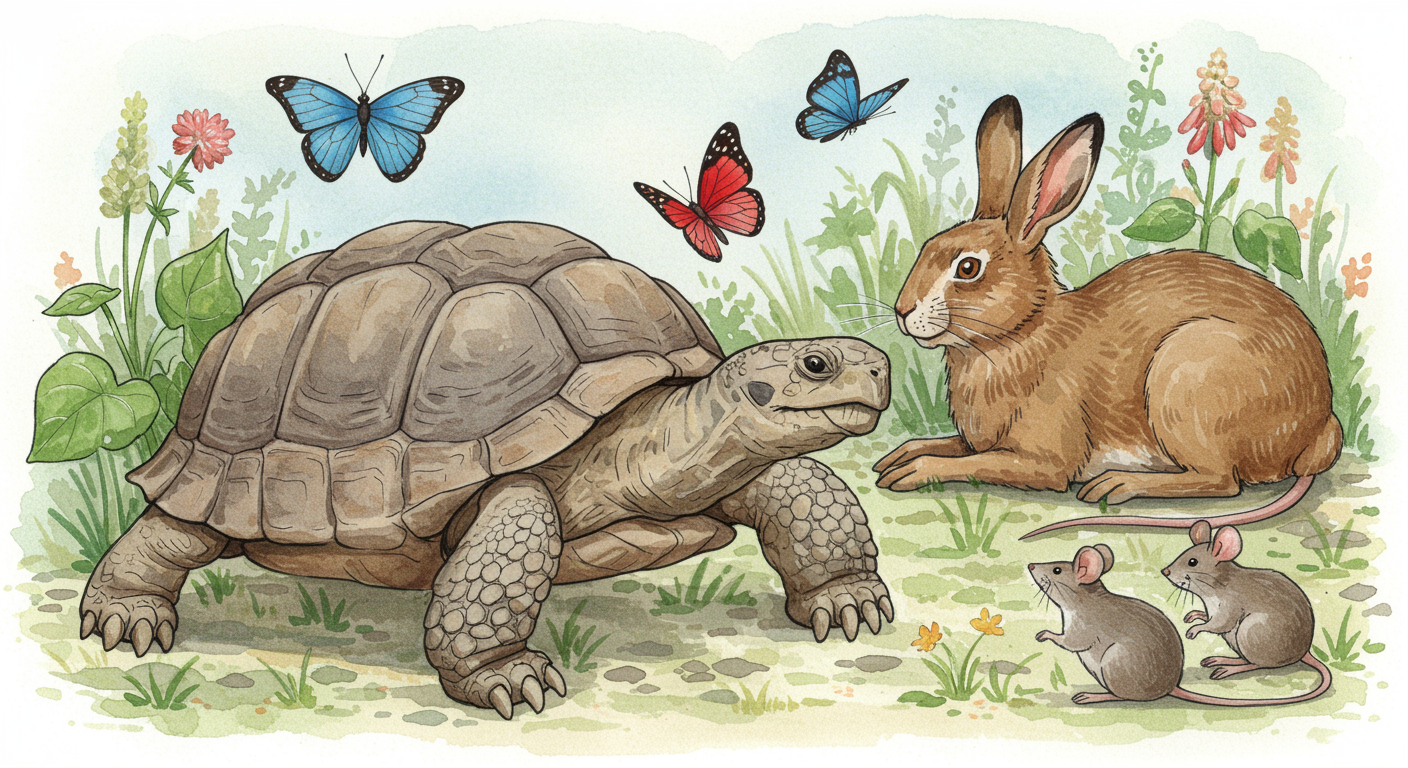
Six-lesson drama unit exploring 'The Tortoise and the Hare', Greek theatre basics and Olympic origins. Practical work uses masks, chorus, devising and a performance assessment.

A six-week pirate-themed drama unit using physical theatre, active games and musical pieces to explore mime, tableau, choreography and devising for practical classroom work.

Six practical lessons introducing Twelfth Night: interpret key scenes, rewrite extracts into modern language, devise condensed performances and film assessed presentations.

Six-lesson drama unit exploring the case study 'Casey' and causes of eating disorders. Uses devising, hot-seating, essence machines, narration and symbolic performance.
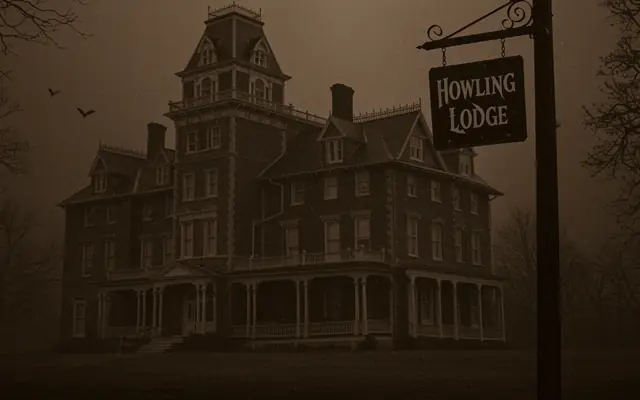
Six-lesson scheme using a ghost story and teacher-in-role to develop tension, characterisation and ensemble devising. Includes hot-seating, flashbacks and a movement assessment.

A six‑lesson KS3 drama unit exploring homelessness through devising, improvisation and character work. Includes tableaux, hot‑seating, split scenes and a filmed public‑information assessment with self‑evaluation.
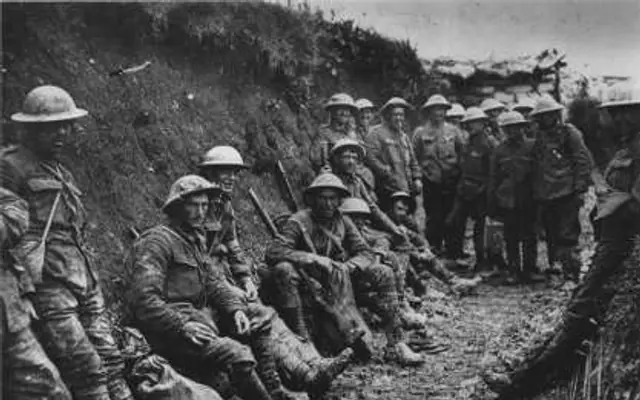
Six-lesson drama unit exploring WW1 poets and imagery through practical techniques. Ends with a performance assessment of Wilfred Owen’s 'Dulce Et Decorum Est'.
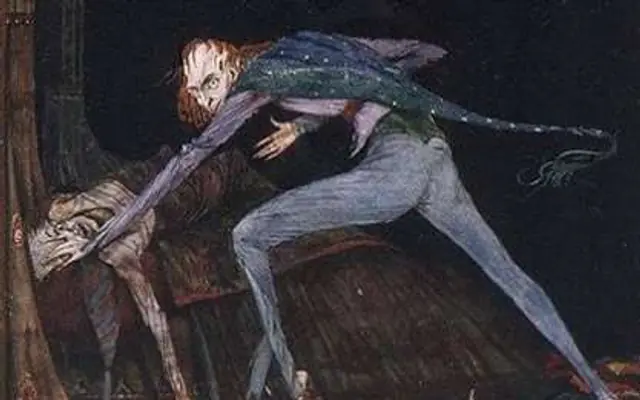
Six-week scheme using Poe's Tell-Tale Heart to teach suspense: lighting, sound, documentary and abstract drama techniques with an included Danse Macabre music file.
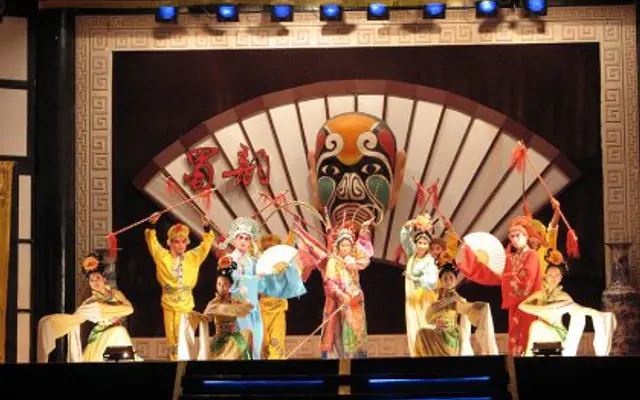
A six-lesson drama scheme exploring The Monkey King through movement, choreography and characterisation. Uses Shaolin-inspired exercises, devised scenes, music and a practical assessment.
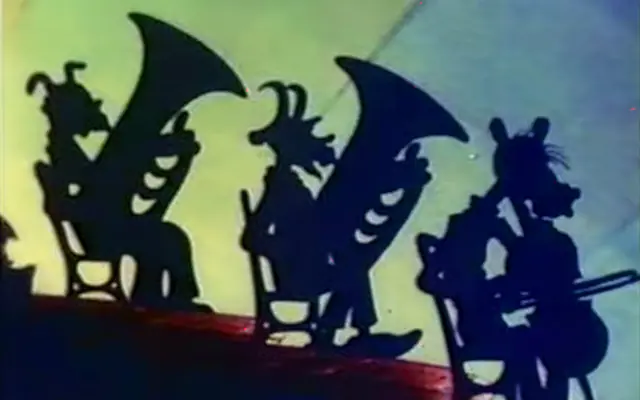
A 6-lesson practical unit that teaches pupils to interpret music, link sound to movement and devise short performance pieces using video and musical stimuli.
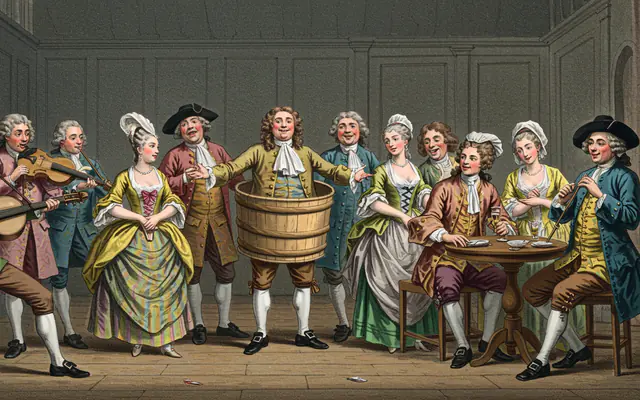
Six-week practical unit on Restoration Comedy. Explore comic characters, improv, monologues and perform play extracts with filmed self-evaluation.
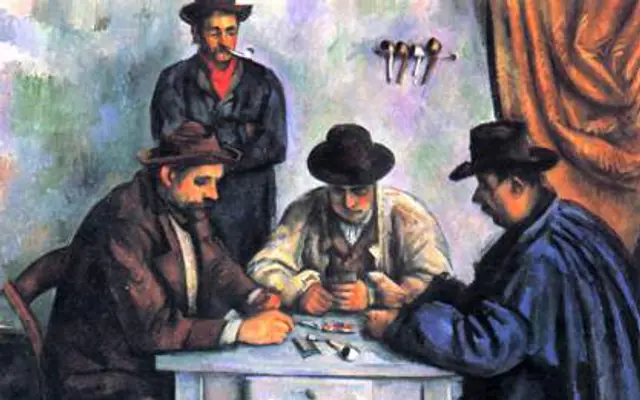
Six-lesson KS3 drama unit using Impressionist paintings as stimuli. Practical workshops build characterisation, devising and narration through techniques like hot seating and monologues.

A 6-lesson drama unit exploring the Merlin legend through improvisation, narration and atmospheric work, culminating in a filmed performance using lighting and special effects.
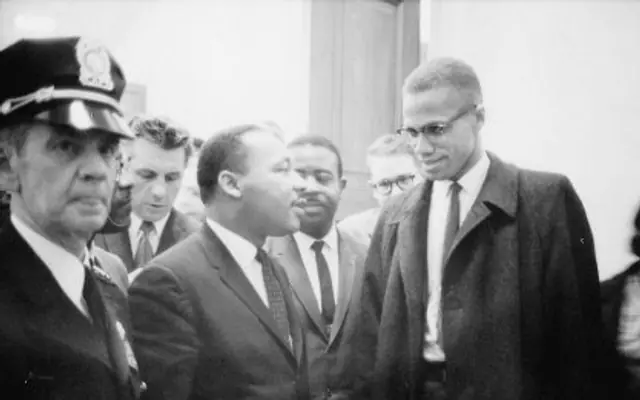
Six-week drama unit exploring the US civil rights movement. Practical lessons use tableau, improvisation, essence machines and symbolism, including 'The Birth of a Nation' clip and 'Strange Fruit'.
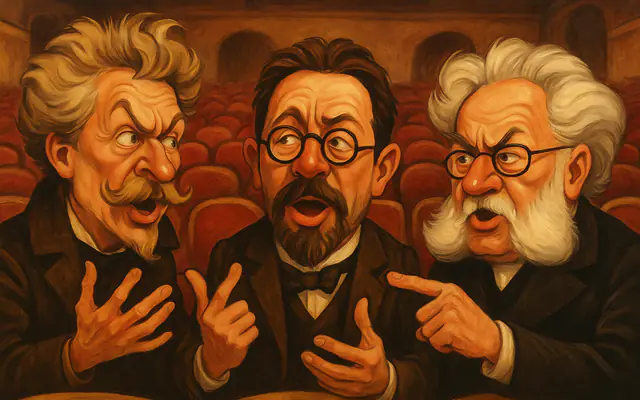
Six-week scheme exploring Ibsen, Strindberg and Chekhov through text extracts, Laban's 8 Efforts and practical exercises. Covers symbolism, status, split scene and a final assessed performance.
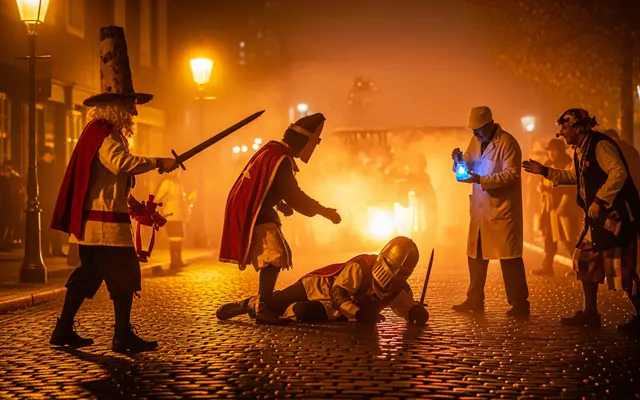
Six lessons introducing Mummers' Plays: create stock characters, write rhyming couplets, practise narration, devise a slapstick fight and perform a devised Mummers’ Play assessment.
Middle school drama lesson plans need to do more than fill time — they need to build confidence, creativity, and classroom routines that support strong performance work. At this stage, students are developing their voices, learning to collaborate, and beginning to make more deliberate artistic choices. Well-structured drama lessons help them take risks, contribute ideas, and grow as performers.
This page brings together ready-to-teach middle school drama lesson plans, unit ideas, and printable resources for Grades 6, 7, and 8. Whether you are teaching introductory drama, improvisation, character work, ensemble skills, or script-based performance, these lessons are designed to be practical, engaging, and easy to deliver in real classrooms.
Middle school is often where students begin to move from playful participation into more focused dramatic work. Strong lesson planning helps teachers balance creativity with structure, giving students clear progression while keeping lessons active and enjoyable.
Clear progression: helps students build drama skills step by step across a unit.
High engagement: keeps lessons practical, varied, and student-centered.
Skill coverage: supports speaking, movement, collaboration, characterization, and performance.
Classroom confidence: gives teachers a reliable structure for managing mixed-ability groups.
With the right middle school drama lesson plans in place, teachers can spend less time planning from scratch and more time developing student creativity, focus, and performance quality.
Our middle school drama resources are designed to support a wide range of teaching contexts, from introductory theater classes to more developed performance units.
Ready-to-teach drama unit plans: structured lesson sequences for classroom use.
Printable drama resources: supporting materials that reduce prep time.
Flexible topics: units suitable for Grades 6, 7, and 8.
Practical lesson content: activities covering improvisation, script work, devising, and performance.
Support for mixed ability classes: lessons that can be adapted for different experience levels.
These lessons help students build confidence while introducing the foundations of drama class.
Ensemble building: activities that develop trust, listening, and group awareness.
Stage skills: basic work on focus, space, movement, and audience awareness.
Drama conventions: simple techniques that prepare students for more advanced performance tasks.
These units are especially useful at the start of the school year or with students who are new to drama.
Improvisation lessons encourage quick thinking, communication, and imaginative risk-taking.
Short-form improv: fast-paced activities that develop spontaneity and focus.
Scene-building tasks: exercises that help students create simple dramatic moments together.
Character prompts: starting points for exploring role, status, and relationships.
Improvisation units work well for building confidence and keeping middle school drama lessons energetic and engaging.
These drama lesson plans help students explore how character, voice, movement, and motivation shape performance.
Character creation: activities based on gesture, posture, voice, and background.
Story drama: lessons that turn narratives, themes, or images into performance work.
Role-play and hot seating: strategies for deepening understanding of character and situation.
This type of unit is ideal for linking drama to literacy, theme-based teaching, and creative writing.
Script-based drama lesson plans introduce students to rehearsal, interpretation, and performance skills.
Reading and staging scenes: helping students move from text to performance.
Voice and expression: developing clarity, projection, and meaning.
Performance preparation: building rehearsal habits, timing, and ensemble awareness.
These lessons help middle school students understand how written scenes can be shaped for an audience.
Many middle school teachers look for drama lesson plans that connect to wider topics and student interests.
Historical drama: units linked to periods, events, or social change.
Social themes: lessons exploring identity, conflict, community, or belonging.
Creative topic units: drama built around myths, fantasy, literature, or visual stimuli.
These units can support broader curriculum goals while keeping drama active and student-led.
The best middle school drama lesson plans combine structure with enough flexibility for students to explore ideas for themselves. Look for units that include clear learning goals, engaging practical tasks, and resources that are easy to use in a busy classroom. A strong set of drama lesson plans should help students develop performance skills while also encouraging cooperation, creativity, and confidence.
Whether you are planning a full middle school drama curriculum or simply looking for a fresh unit to teach next, well-designed lesson plans can make your classes more focused, more imaginative, and more rewarding for both teacher and students.
Looking for a specific grade level? Browse our drama unit plans for Grade 6, Grade 7, and Grade 8.
Inclusion and Accessibility in Applied Drama
Handling High-energy Class Behaviour in Drama
From Warm-ups to Intentional Improvisation Practice
Building Stage Presence and Sustained Focus
Adapting drama for learners with SEND
Teaching Artaud with Students: Exercises for the Theatre of Cruelty