
Vocal Exercises Scheme of Work
(ages 12-13)
Overview
This six-lesson KS3 scheme focuses on practical voice work and breath control, using short warm-ups, tongue twisters and Shakespeare extracts to develop clearer diction, purposeful phrasing and physicalised delivery. Lessons progress from mouth and breath work to punctuation, physical obstacles and gesture sequences, culminating in paired performance assessed by teacher, peers and self-evaluation. Exercises are low-prep, classroom-friendly and adaptable for groups working with printed extracts, simple props and optional recording.
What Students Will Learn
Students will improve breath control and vocal stamina, sharpen articulation and consonant clarity, and use punctuation and thought-structure to shape spoken text. They will practise physicalising language, supporting stage partners, and applying tone, sibilance, alliteration and rhythm to Shakespeare extracts. The unit concludes with pair performances and structured self- and peer-feedback to consolidate delivery choices.
Week 1: The Mouth, The Lips, The Tongue
Introduce mouth, lip and tongue use for clear sounds and breath control through class warm-ups, tongue twisters and breathing exercises. Activities include 'Clap, Jump, Hop', chewing-toffee mouth work and incremental breath holds on 'ng' and 'hmmmm' sounds.
Week 2: Physical Intuition
Explore how word shape affects delivery using Shakespeare's Coriolanus and tone-focused pair work. Lessons use 'Passing Clap and Ball', tongue twisters and a 'Tone Play' handout leading to group readings with exaggerated sound and overlap.
Resources IncludeResourcesTone PlayExtract from CoriolanusWeek 3: Punctuation and Thought Structure
Use an extract from The Winter's Tale to show punctuation through movement and thought-structure. Tasks include Zip, Zap, Boing warm-ups, individual walking-text exercises, group punctuation sound cues and chair-swapping for sentence breaks.
Resources IncludeResourcesExtract from The Winter's TaleWeek 4: Jostling and Obstacles
Develop support and emphasis in performance using A Midsummer Night's Dream and Measure for Measure extracts while introducing physical obstacles. Activities include the 'Haybarn' warm-up, jostled group readings and staged 'gang' barriers for vocal resilience.
Resources IncludeResourcesExtract from A Midsummer Night's DreamExtract from Measure for MeasureWeek 5: Physicalising Language
Combine fast-paced actions with text to create gesture-led delivery using Measure for Measure and Macbeth extracts. Exercises ask students to assign movements to every word, kick a prop on the last word and rehearse paired Macbeth pieces for assessment.
Resources IncludeResourcesExtract from Measure for MeasureExtract from MacbethWeek 6: Assessment Performance
Students perform prepared Macbeth extracts in pairs for class assessment and complete self-evaluation forms; optional filming and audience feedback are used to inform targets. The lesson opens with a 'Tangled Knot' warm-up and ends with recorded self-reflection.
Resources IncludeResourcesExtract from Macbeth
Add to your library
Build your drama scheme library
Add a complementary unit to your cart and check out in one secure payment.
(ages 12-13) · 6 lessons
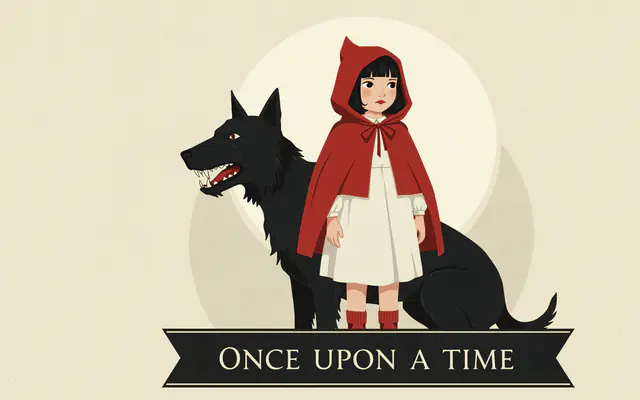
Fairy Tales
Exploring classic storytelling, stock characters and key elements