Romeo and Juliet
Six-lesson KS3 drama scheme using extracts and practical tasks to explore Romeo and Juliet. Focus on voice, frozen pictures, split scenes, devising and group performance assessment.

UK year landing
Explore Year 9 drama schemes of work for Key Stage 3 (KS3), with ready-to-use lesson plans, classroom activities and drama teaching resources for ages 13–14.
Six-lesson KS3 drama scheme using extracts and practical tasks to explore Romeo and Juliet. Focus on voice, frozen pictures, split scenes, devising and group performance assessment.
Six-week drama unit exploring television soap opera: stock characters, pauses, interruptions, monologues and a sensitive domestic violence scene, finishing with a filmed mini-soap assessment.
Six-week practical unit introducing Stanislavski, Boal and Brecht with classroom activities, devised scenes and performance work suitable for Year 9 students and above.
Six-week unit exploring symbolism in performance: image, gesture, objects, colour and masks. Practical workshops build to a devised, recorded group assessment using a musical extract.
Six-lesson practical unit exploring Macbeth through improvisation, physical theatre, tableau, soundscape and scripted extracts. Ready-to-run activities, props and self-assessment included.
Six-lesson practical unit exploring how actors portray status through body language, voice, levels and space. Includes improvisation, tableaux and a performance assessment.
Six-week KS3 unit exploring Grotowski, Artaud and Dali through physical theatre, gibberish, mime and absurd texts including Alice, Lear and Shakespeare.
Six practical lessons exploring Greek tragedy through Electra, Medea and Hecuba. Includes monologue work, chorus verse, neutral-mask exercises, mime and group performance with self-assessment.
A 6-lesson practical unit exploring how music shapes mood and meaning in drama. Students devise scenes using audio, symbolism and physical theatre, culminating in a performance assessment.
Six-lesson drama unit exploring the case study 'Casey' and causes of eating disorders. Uses devising, hot-seating, essence machines, narration and symbolic performance.
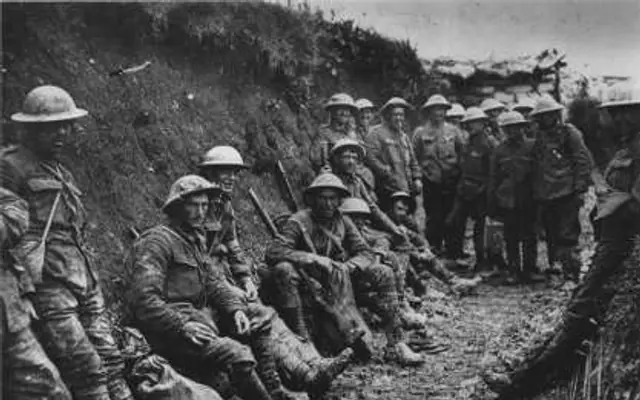
Six-lesson drama unit exploring WW1 poets and imagery through practical techniques. Ends with a performance assessment of Wilfred Owen’s 'Dulce Et Decorum Est'.
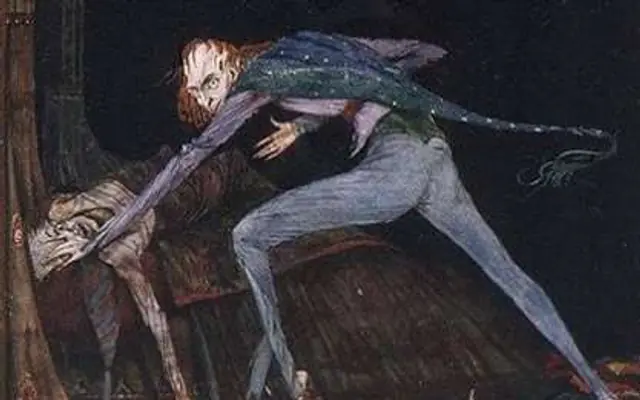
Six-week scheme using Poe's Tell-Tale Heart to teach suspense: lighting, sound, documentary and abstract drama techniques with an included Danse Macabre music file.
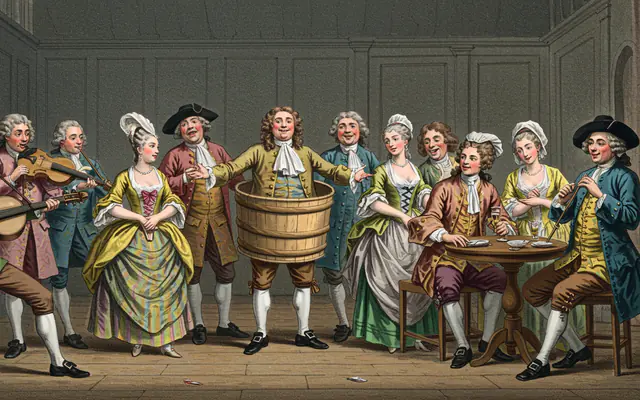
Six-week practical unit on Restoration Comedy. Explore comic characters, improv, monologues and perform play extracts with filmed self-evaluation.
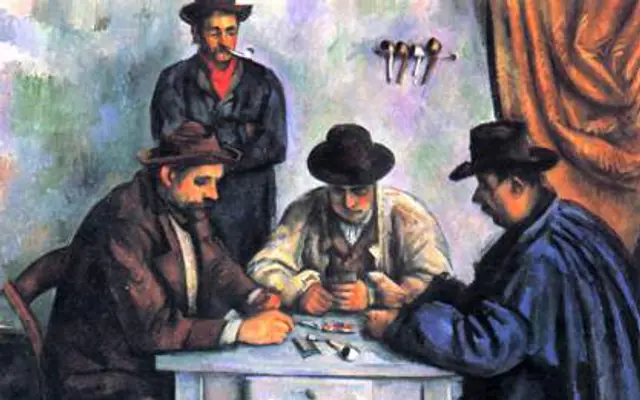
Six-lesson KS3 drama unit using Impressionist paintings as stimuli. Practical workshops build characterisation, devising and narration through techniques like hot seating and monologues.
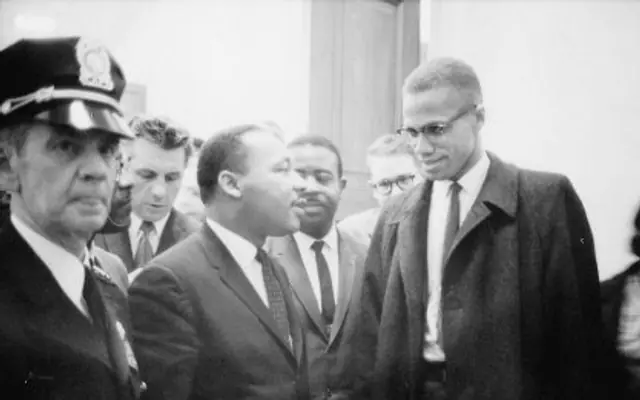
Six-week drama unit exploring the US civil rights movement. Practical lessons use tableau, improvisation, essence machines and symbolism, including 'The Birth of a Nation' clip and 'Strange Fruit'.
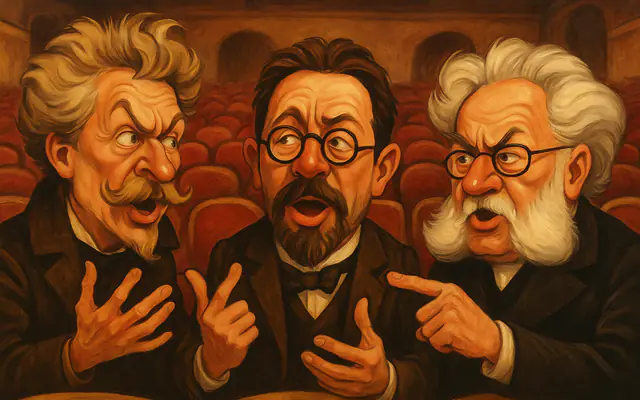
Six-week scheme exploring Ibsen, Strindberg and Chekhov through text extracts, Laban's 8 Efforts and practical exercises. Covers symbolism, status, split scene and a final assessed performance.
Six lessons introducing Mummers' Plays: create stock characters, write rhyming couplets, practise narration, devise a slapstick fight and perform a devised Mummers’ Play assessment.
These Year 9 drama schemes of work are designed for Key Stage 3 pupils aged 13–14. They support drama teachers in developing greater independence, stronger performance skills and more thoughtful practical work as pupils move towards more advanced Key Stage 3 study.
Whether you are planning introductory drama units, ensemble work, storytelling, character development or cross-curricular topics, these resources are designed to support clear progression across Year 9. Each scheme of work provides ready-to-use lesson ideas that help you save planning time while keeping lessons practical, creative and classroom-ready.