Symbolism Scheme of Work
(ages 13-14)
Overview
This six-lesson scheme introduces students to using symbolism deliberately in drama. Through practical workshops and small-group devising, pupils explore how image, gesture, objects, colour and masks convey literal and abstract meanings. The unit emphasises creating atmosphere, developing character and extending plot through non-verbal choices and simple timelines (flashback/flashforward). Lessons are structured around active techniques—frozen images, repetition, mask work and symbolic movement—leading to a devised, recorded group performance for assessment.
What Students Will Learn
Students will learn to use imagery, gesture and movement as symbolic tools to shape character, relationships and plot. They will practise frozen pictures, gesture repetition, symbolic use of props and colour, neutral mask techniques and temporal devices (flashback/flashforward). The unit culminates in small-group devising: pupils apply the conventions studied to create and perform a short piece set to a musical extract, recorded for self-evaluation.
Week 1: What is Symbolism?
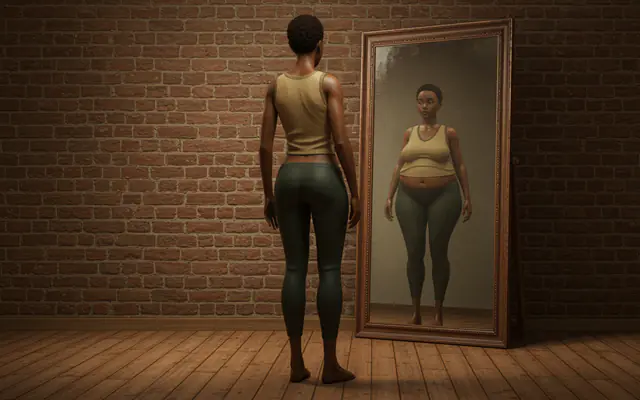
Introduces symbolism through personal representation and non-verbal choices. Students explore how an image, gesture and facial expression can represent aspects of themselves and communicate to an audience.
Week 2: Defining Symbolism
Clarifies literal versus abstract symbolic meaning using visual tableaux. Pupils use frozen images and emotional expression to illustrate and differentiate literal and abstract symbolic moments.
Resources IncludePowerpoint SlidesWhat is Symbolism?Week 3: Symbolism in Performance
Examines how gesture and repetition affect audience interpretation, referencing Brechtian impact. The lesson uses the 'take a bow' exercise to explore repeated gestures and movement for effect.
Week 4: Colour and Objects
Explores how colour and objects carry symbolic meanings in context. After a Balloon Race Game warm-up, small groups use symbolic objects to devise a short dialogue scene.
Resources IncludePropsBlack CrossBlack RoseGolden RingCutout BoxGolden KeyWeek 5: Masks
Develops neutral mask work and considers costume as symbolic across a timeline. Pupils use neutral masks and employ flashbacks and flashforwards to construct a simple timeline for character action.
Resources IncludePropsNeutral MaskWeek 6: Assessment
Final assessment: groups devise and perform using all taught conventions to a musical extract. Performances are recorded so pupils can carry out self-evaluation and reflect on skills applied.
Resources IncludeMusicVirtutes InstrumentiPropsBlack CrossBlack RoseGolden RingCutout BoxGolden Key
Add to your library
Build your drama scheme library
Add a complementary unit to your cart and check out in one secure payment.
(ages 13-14) · 6 lessons
Ibsen, Strindberg & Chekhov
Three theatrical giants and their influences on modern drama
(ages 13-14) · 6 lessons
Stanislavski, Boal & Brecht
Introduction to the three influential drama practitioners