(ages 13-14) · 6 lessons
Romeo and Juliet
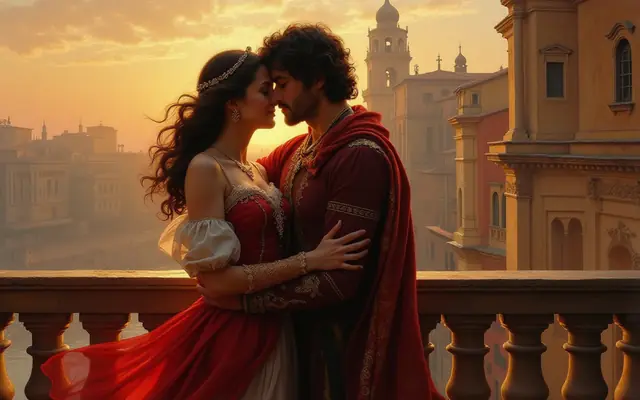
Feuding Montagues and Capulets in Shakespeare's Veronan tragedy

(ages 13-14)
This six-lesson scheme uses well-known WW1 poems as the basis for practical drama work. Lessons combine text analysis with movement and vocal techniques (mime, thought tunnel, split scene, choral work and more) and include written tasks and lighting ideas. The unit culminates in a recorded performance of Wilfred Owen’s 'Dulce Et Decorum Est' for self-evaluation. Use this plan to teach poetic perspectives of war through practical workshops and student-led group performances.
Students will study WW1 poetry and translate imagery into drama, exploring different perspectives of war. They will practise specific theatrical devices — for example flashbacks, thought tunnel, split scene and choral work — and develop skills in vocal and physical expression, ensemble work and narrated performance. The unit combines practical workshops with written tasks and ends with a recorded group performance for evaluation.
Introduces John McCrae’s poem and explores poetic imagery. Students use visualisation exercises and develop group work through flashbacks to dramatise the poem’s images.
Uses Ivor Gurney’s 'The Target' to examine guilt and family relationships. Pupils explore duologues and split scene to dramatise a son’s relationship with his mother and the enemy.
Focuses on Rupert Brooke’s poem and the theme of patriotism. The lesson uses thought aloud, sound effects and lighting to create mood and atmosphere in dramatised passages.
Studies Siegfried Sassoon’s critique of war and its futility. Students use thought tunnel and roleplay to explore contrasting perspectives on the poem’s arguments.
Explores Isaac Rosenberg’s trench-life poem from the Rat’s viewpoint, including issues of discrimination. Activities include asides, narration and modelling to compare both sides of No Man’s Land.
Assessment lesson based on Wilfred Owen’s 'Dulce et Decorum Est' using the unit’s drama techniques. Students create and record their own performance versions, then use the recording for self-evaluation.
Add to your library
Add a complementary unit to your cart and check out in one secure payment.
(ages 13-14) · 6 lessons
Feuding Montagues and Capulets in Shakespeare's Veronan tragedy