
Improvisation Scheme of Work
(ages 12-13)
Overview
This six-lesson scheme introduces students to practical improvisation, using theatre games and short performance tasks to build quick-thinking, listening and ensemble skills. Lessons progress from warm-up games into structured scenarios, duologues and basic Forum Theatre, and conclude with an assessed improvisation to check spontaneous verbal and physical responses. The unit emphasises avoiding blocking, responding to stimuli and the difference between spontaneous, prepared and polished improvisation, using objects, settings and competitive tasks to keep students engaged.
What Students Will Learn
Across this unit students practise responding quickly and collaboratively to verbal and physical stimuli. They will develop improvisational technique, stronger listening and ensemble habits, basic mime and narration skills, and the ability to create short duologues and improvised scenes. Lessons include games that focus on avoiding blocking and techniques for spontaneous, prepared and polished improvisation, culminating in a practical assessment of rapid verbal and character responses.
Week 1: Hesitation & Blocking
An introductory lesson focused on recognising and avoiding hesitation and blocking. Students warm up with 'Zip, Zap, Boing', develop a rapid-response group story and then practise the same responses in mime.
Resources IncludeResourcesStory SheetWeek 2: The Ability to Think Quickly
A lesson that challenges students to think and respond quickly under pressure. Activities include the 'Bang!' wild west game, creation of duologues in varied locations, and the 'A, B, C' constraint exercise.
Week 3: Scenarios
Students explore a range of scenarios set in different locations to broaden improvisational responses. The lesson begins with 'Sitting, Standing, Leaning' and moves into performing varied location-based scenarios.
Week 4: Spontaneous, Prepared & Polished Improvisation
This lesson clarifies differences between spontaneous, prepared and polished improvisation using objects as stimuli. Students respond imaginatively to teacher-led prompts and then choose objects to explore the three improvisation types.
Resources IncludePropsCutout RingWeek 5: Improvisation Olympics
A competitive lesson that tests rapid-response and dialogue skills through entertaining challenges. Activities include 'What, Where, When?' and basic Forum Theatre as two teams compete in improvisation tasks.
Week 6: Improvisation Assessment
A summative practical assessment of students' ability to produce quick, character-based dialogue in varied locations. Warm-ups such as 'Worlds Worst' prepare students for an unplanned assessment piece featuring different characters and settings.
Add to your library
Build your drama scheme library
Add a complementary unit to your cart and check out in one secure payment.

(ages 12-13) · 6 lessons
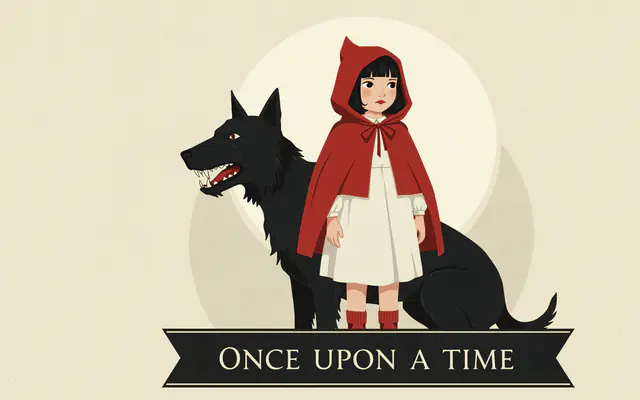
Fairy Tales
Exploring classic storytelling, stock characters and key elements